
Leadership Excellence
Leadership Excellence is an 8-week program for leaders responsible for vision, alignment, and execution.
An 8-week cohort experience built for practical leadership development, not one-time awareness.
The Leadership Excellence Movement Map
Vision
Create direction people can understand.
Alignment
Build commitment people can act on.
Execution
Sustain movement until the work is done.
Leadership helps people move together through complexity.
The Problem
The Priority Is Clear in the Leader’s Mind
The Work Moves With Direction, Commitment, and Follow-Through
Many leaders can describe the priority. Fewer can move people through it.
Core Philosophy
Direction, commitment, and movement are not three separate skills. They are the work of leadership itself. Direction gives people something they can understand and follow, commitment turns that understanding into action people will own, and rhythm keeps the work moving after the urgency fades. When a leader holds all three, execution becomes something that survives pressure rather than something that depends on it.
From Complexity Into Execution
Program Fit
Best For
Experienced managers
Directors
Senior leaders
Cross-functional leaders
High-potential leaders
Department heads
Leaders responsible for strategy or change
Leadership teams needing shared language
Especially Useful When
Capabilities
Leaders learn to create direction that is clear enough for people to understand and follow.
Leaders strengthen how they convey direction so that it lands the same way across different people.
Leaders learn to bring people into shared understanding so the team is pointed in the same direction.
Leaders learn to move beyond surface agreement to the commitment that makes people act.
Leaders learn to sustain movement and follow-through until the work is actually done.
Leaders learn to keep people steady and moving when conditions are uncertain or the pressure rises.
Leaders learn to see beyond their own team and lead with the whole organization in view.
Leaders apply each capability to real priorities during the program rather than in theory alone.
Leadership Excellence helps leaders move from having direction to creating movement.
Why 8 Weeks
A One-Day Session
A framework can be introduced in a day. Leadership practice cannot.
An 8-Week Cohort
Learn the Framework
Leaders understand vision, alignment, and execution as observable leadership behaviors.
Apply to Real Priorities
Leaders connect the framework to an actual strategic, team, or organizational priority.
Build Leadership Practice
Leaders practice communicating direction, building commitment, and moving execution through pressure.
The Cohort Loop
The cycle repeats and deepens across the eight weeks.
Leaders do not build execution capacity because they understood a model once. They need time to apply it to real priorities, real resistance, and real pressure.
Program Structure
Select any week to see its focus and the leadership practice that goes with it.
The difference between managing work and leading people, and why organizations need both.
Practice: Identify one priority that requires leadership movement, not just management oversight.
How style shapes the way leaders create direction, build commitment, and move execution.
Practice: Name one way their leadership style helps create direction and one way it can get in the way.
How leaders make the work clear enough for people to understand what matters and why.
Practice: Write the vision for one real priority in language the team could repeat back.
How leaders translate priorities so people can act on them.
Practice: Translate one priority into direction a specific person could act on this week.
How leaders create commitment, handle resistance, and strengthen trust in the direction.
Practice: Surface one source of hidden resistance to a current priority and address it directly.
How leaders turn direction into ownership, rhythm, and follow-through.
Practice: Define what ownership and a follow-through rhythm look like for one priority in motion.
How leaders maintain vision, alignment, and execution when urgency, ambiguity, or conflict rises.
Practice: Lead one conversation that holds direction steady while conditions are uncertain.
How leaders apply the framework to a real priority, team challenge, or execution need.
Practice: Apply the full framework to one real priority and name the next move.
The Difference
Not Leadership as Personality
This program focuses on observable behaviors, not charisma or performance of confidence.
Not Strategy Without People
Leaders learn that direction only matters if people understand, commit, and move with it.
Not Alignment as Agreement
Leaders learn to test commitment instead of assuming silence means buy-in.
Not Execution by Urgency
Leaders build rhythm, ownership, and follow-through so execution does not depend on pressure alone.
Insight Shifts
Insight
A strong idea becomes easier to act on when the structure around it is clear.
Insight
Agreement in the room is not enough. Commitment has to be tested, communicated, and sustained.
Insight
Consistency, rhythm, and follow-through separate good ideas from sustained results.
Insight
Vision, alignment, and execution cannot depend on one person. The work has to move through the team.
The framework creates clarity. The program turns clarity into leadership behavior.
Outcomes
Organizational Fit
Leadership pipeline development
Director or senior manager development
High-potential leader development
Strategic change
Cross-functional execution challenges
Growth or transition
Leadership team development
Strategy-to-execution gaps
Preparing leaders for enterprise responsibility
A Note for Buyers
This program is especially useful when leaders need to move beyond managing their own area and begin leading people through broader priorities, change, and execution.
Proof
She has a gift for sifting through complex situations with clear and powerful insights that can lead to materially improved outcomes.
The program is grounded in the Everything DiSC® Work of Leaders framework of vision, alignment, and execution.
Every concept is applied to a real strategic, team, or organizational priority during the eight weeks.
Leaders learn together over eight weeks, with time to practice between sessions.
What Participants Realize
When you have a strong vision and good structure, the difficult decisions actually become easier.
Everett R. Leadership Excellence participant
Alignment is commitment. Alignment is emotional and intellectual buy-in.
Julio S. Leadership Excellence participant
Execution is driven by momentum, structure, and feedback.
Sydney B. Leadership Excellence participant
Facilitation
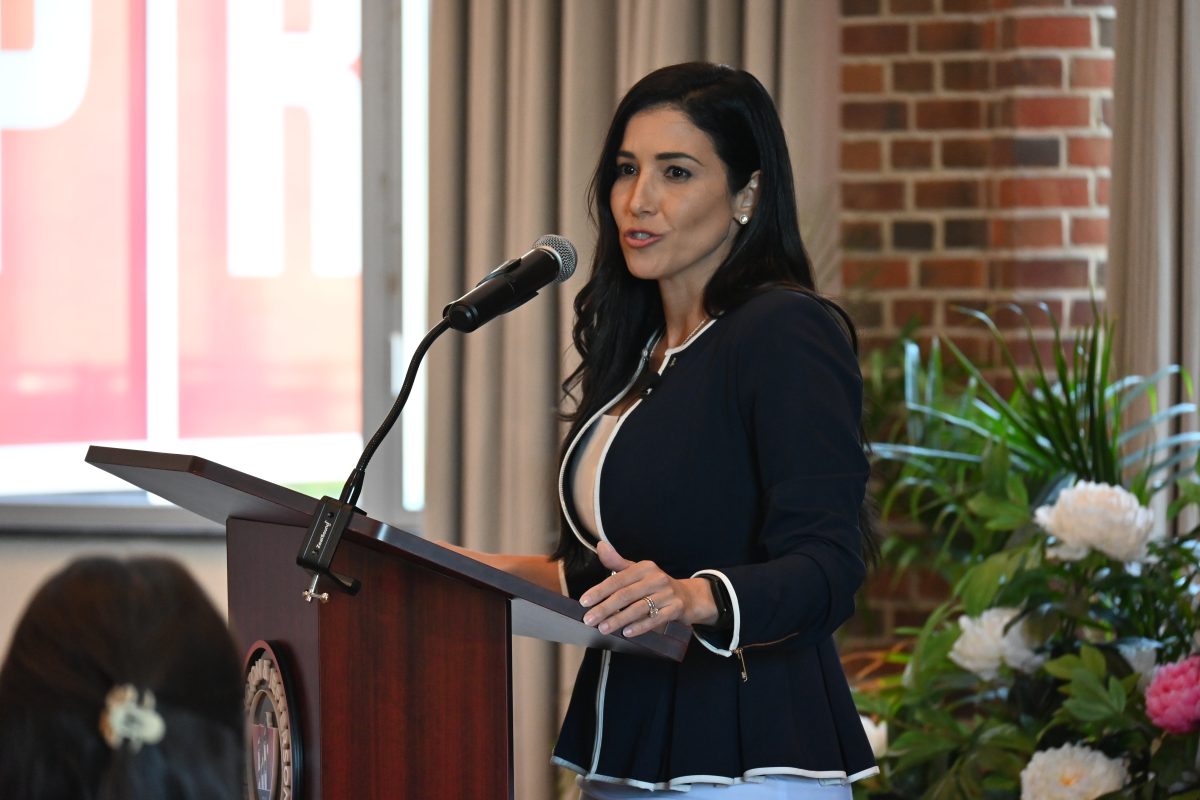
Leadership Excellence is facilitated by Russo Leadership and built on practical leadership development, Everything DiSC® Work of Leaders, and real-world application to vision, alignment, and execution.
If your organization needs leaders who can create vision, build alignment, and drive execution with more clarity and consistency, Leadership Excellence can help.