They are excellent individually. Together they are exhausting. The friction is not personal and it is not a communication problem. It is structural. We fix the structure.
Start the Conversation →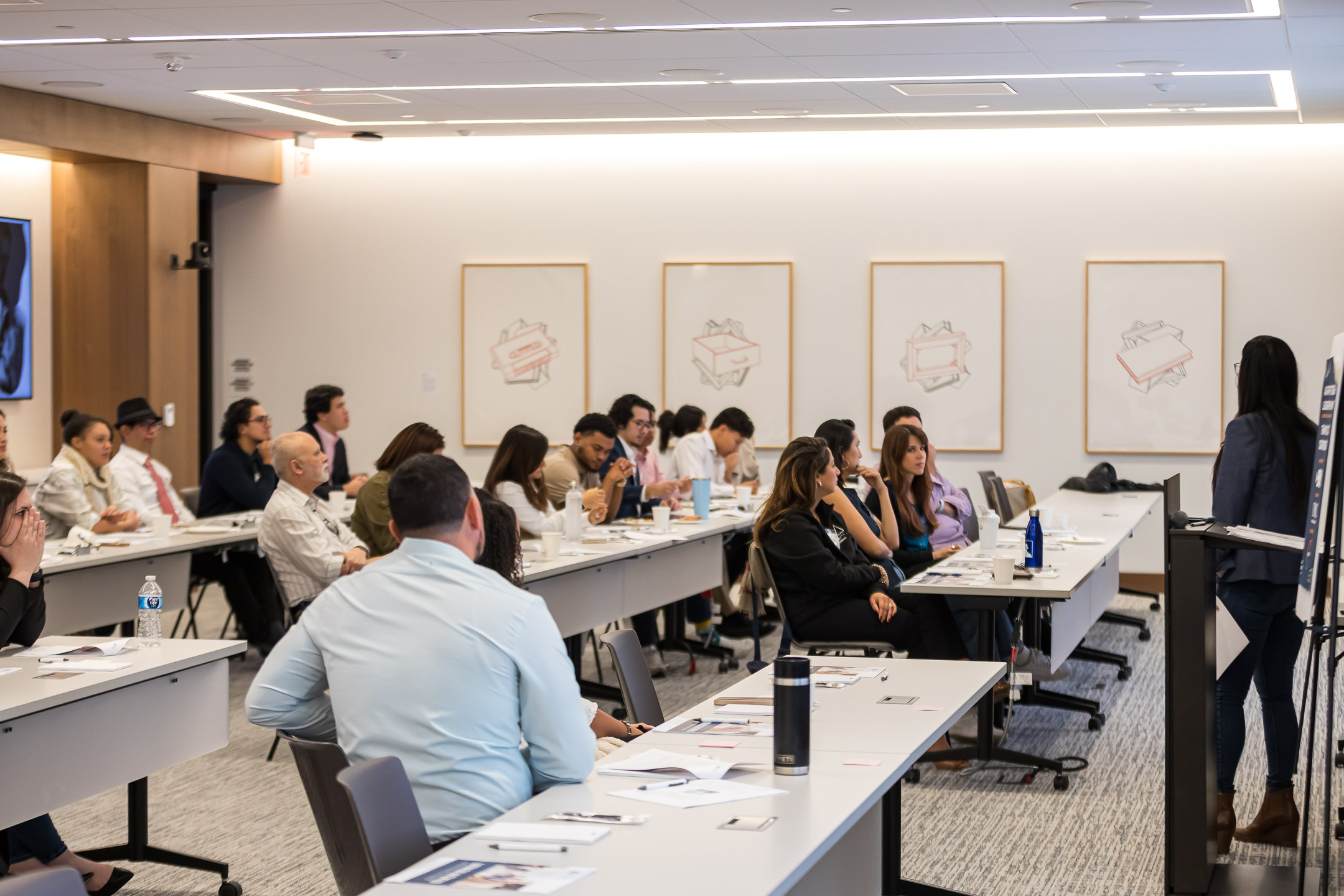
Teams that struggle together are rarely struggling because of the people. They are struggling because of what is missing between the people — clarity about who decides what, who owns what, and what actually matters most when priorities conflict.
The answer is almost never a team-building exercise. Those address the symptom and leave the structure intact. The friction returns because the structure that created it was never touched.
Team Performance work begins with diagnosing where the structural gaps live. The Authority Void. The Loyalty Tax each member is paying. The unspoken hierarchy that operates alongside the official one. Once those are named, the work can hold.
“The friction is structural. And it keeps reappearing in different forms regardless of who is in the room.”
Every person on the team is capable. Together they create friction, missed handoffs, and exhausting meetings. The problem is not talent. It is the absence of structural clarity about who does what, who decides what, and what happens when those things conflict.
A team being built from scratch, a new leader inheriting an existing team, or a significant reorganization. The window to set structure deliberately is narrow. Teams that miss it spend years working around the gaps that formed in the first few months.
Two teams combined into one. Two cultures in the same room. The friction is predictable and the organizations usually misdiagnose it as a personality clash when it is almost always a structural gap — competing authority, overlapping accountability, unclear decision rights.
They agree in the meeting. They pull in different directions in the work that follows. The misalignment is not about intent. It is about the gap between what was agreed and what authority each person actually has to execute on it. We close that gap.

Before any session begins, we diagnose what is actually happening. Interviews with team members across levels. Behavioral assessments where indicated. A structural analysis that names the Authority Void, the accountability gaps, and what each person is paying in Loyalty Tax to stay in the room.
Structured working sessions designed to close specific structural gaps identified in the diagnostic. Not team-building. Not conflict resolution. Deliberate work on the structures that are producing the friction — decision rights, accountability, communication norms, and how authority actually operates in this team.
Concrete outputs from each session. Written agreements about who decides what, how conflict gets resolved, and what each person is accountable for. These are not aspirational statements. They are operational structures the team uses in real time to prevent the friction from returning.

We learned so much about each other’s leadership styles. There were lots of laughs, but also meaningful conversations and practical tools that will help us work more effectively and positively as a team.
Working with Nayli was more than professional growth — it was personal alignment. She created a space where I felt safe, seen, and sharpened. I now lead with clarity, not confusion.
Tell us what you are navigating. We will determine whether Team Performance work is the right first step — or whether the diagnostic needs to come before it.