The same reactions keep showing up.
People recognize the tension but have a harder time seeing the behaviors they bring to it.
.png)
Everything DiSC® Productive Conflict
Help your people recognize the reactions that make conflict harder and practice a more productive response.
In this facilitated program, participants explore their conflict tendencies, examine the automatic thoughts behind their behavior, and rework a real situation they wish they had handled differently.
When this work helps
Some people push harder. Some go quiet. Others defend their intentions before hearing the concern. This program gives participants a way to examine those responses and their effects.
People recognize the tension but have a harder time seeing the behaviors they bring to it.
A question becomes a perceived challenge. A delay becomes a story about someone’s intentions. Participants explore the link between interpretation and response.
Knowing a reaction was unhelpful is a starting point. The program gives people structured practice in stepping back, reframing, and choosing a response.
Choose this program to develop how people respond to conflict. It does not mediate a dispute or resolve a specific live conflict. If that is what prompted your inquiry, we’ll discuss the fit before you book.
Understand the patterns
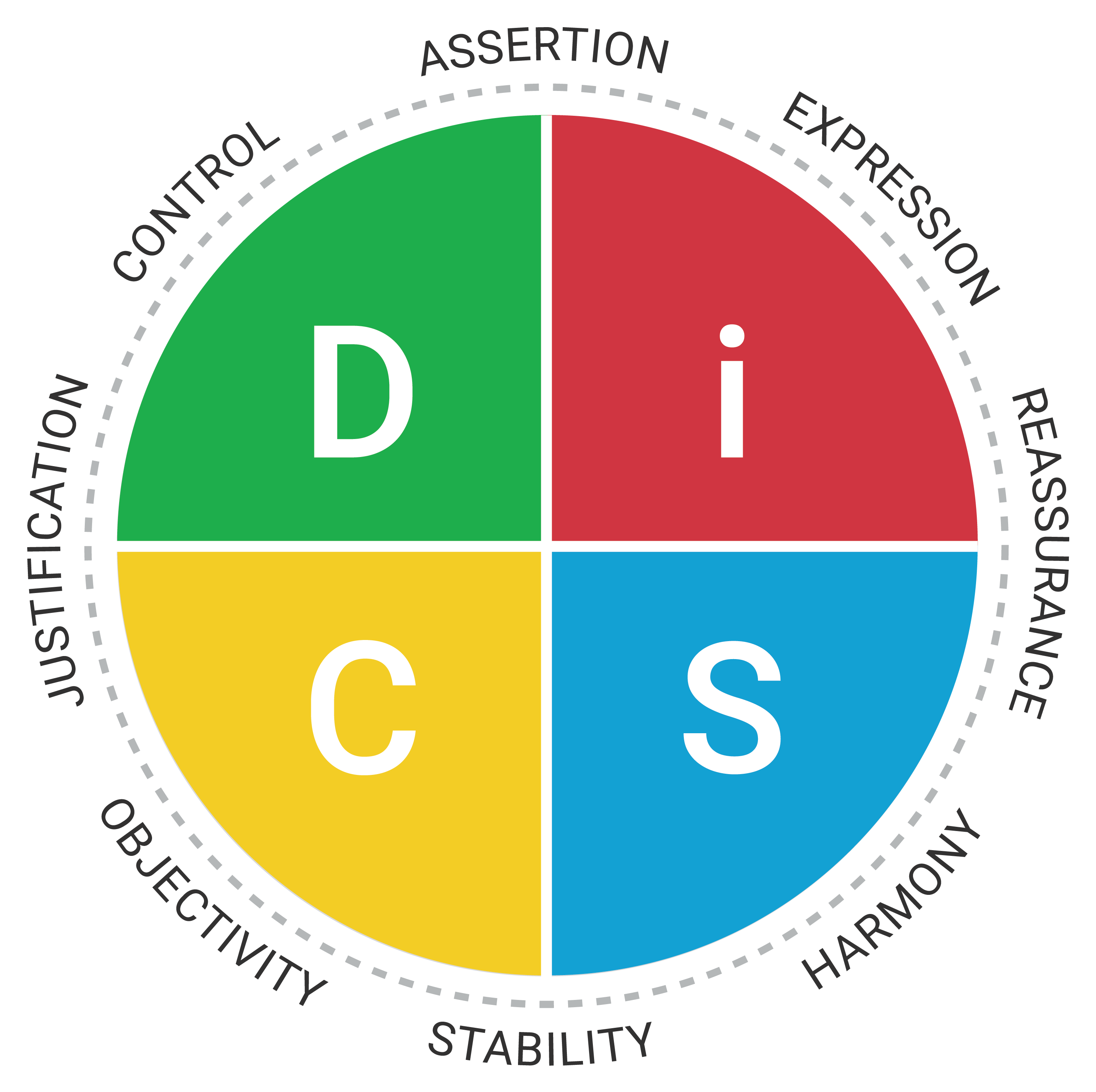
The DiSC map provides a shared language for exploring different priorities and responses.
In the session, participants build a conflict map of productive and destructive behaviors, then compare it with the insights in their profiles.
A style offers a starting point for reflection. People of every style can respond productively or destructively.
The learning experience
Before the session, each participant thinks of a conflict they wish they had handled better. They carry that situation through the program, without being asked to name the people involved.
Explore how the DiSC styles approach conflict. Through the conflict-map activity and discussion, examine productive and destructive behaviors and how they affect others.
Your reflection: Describe your situation and consider how your style shaped your response.
Examine the behaviors that bother you in others, then turn the lens toward your own. Explore the automatic thoughts and motivations behind those responses.
Your reflection: Identify the thoughts you had and the behaviors you used.
Use a process of stepping back, reframing your thoughts, and choosing a productive response. Practice with others before returning to your own situation.
Your reflection: Rework how you could have thought about the situation and responded.
What participants take away
The learning continues when people notice their reactions, revisit their assumptions, and try a different response in everyday work.
Planning your session
This is a development program focused on how individuals respond to conflict. It does not mediate disputes, investigate complaints, or resolve a specific live conflict. If a current situation is prompting your inquiry, tell us before booking so we can discuss whether this program fits.
The program works with intact teams or mixed groups of 8–24 participants. Managers and direct reports can attend together; we discuss that arrangement with the sponsor in advance because participants reflect on real experiences. Groups larger than 24 require separate sessions.
No. The program introduces the DiSC concepts needed for the learning. If participants already have an Everything DiSC Workplace profile, we confirm their existing assessment information when arranging access.
Allow a full 4½-hour block, including breaks. The program takes place in one sitting because participants carry the same real situation through all three learning stages. It is not split across separate days.
The facilitated Productive Conflict program is currently offered in person. If you need virtual delivery, contact us to discuss another program that fits your learning goals.
Participants are asked to think of a situation they wish they had handled better. They are not asked to name the people involved. The focus is on examining their own thoughts and responses.
Each participant receives their personalized 23-page printed profile, completes three reflection steps about a real situation, and takes away a Productive Conflict Log for future use. Comparison Reports between participants are available on request at no additional charge.
Productive Conflict uses its own assessment and profile. It does not include Productive Conflict content on Catalyst or new Workplace access. Any additional product access is agreed separately.
Explore the self-paced Productive Conflict course through Russo Leadership Academy, with an individual assessment and 12 months of course access.
Bring the learning to your group
Tell us about your group, what you are noticing, and the timing you have in mind. We’ll help you determine whether Productive Conflict fits.